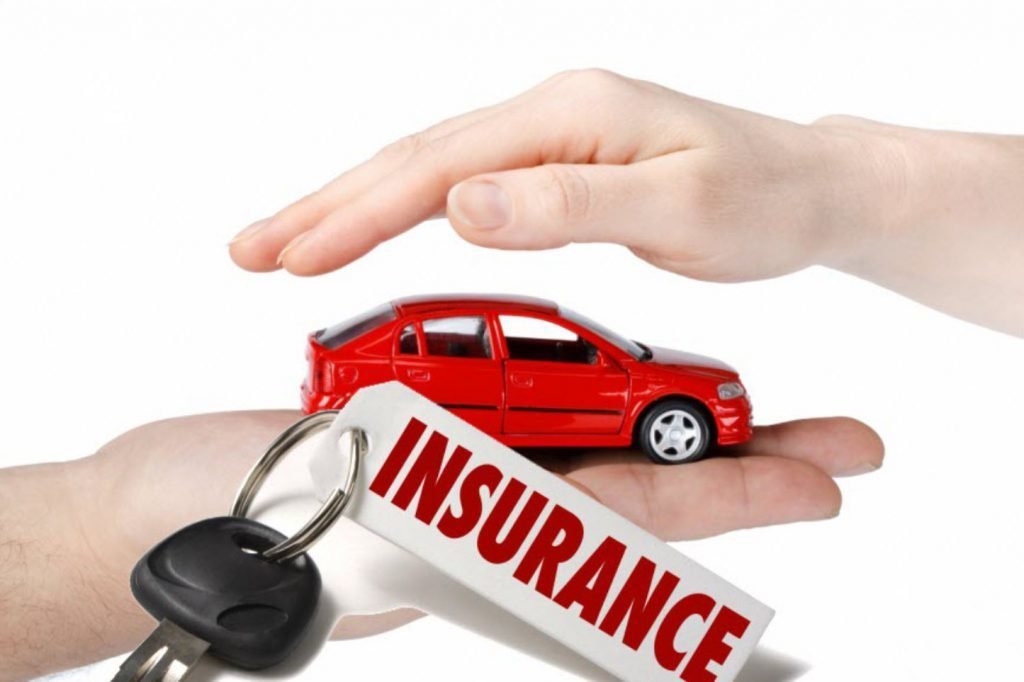
Owning a vehicle brings freedom, convenience, and independence. Whether it’s a car, motorcycle, or any other motor vehicle, it connects you to opportunities and makes daily life easier. However, every journey on the road comes with risks—accidents, theft, natural disasters, and unexpected breakdowns. This is where auto insurance becomes essential.
Auto insurance is not just a legal requirement in many places; it is a financial safety system designed to protect you, your vehicle, and others on the road. Understanding how it works can help you make smarter decisions, avoid financial stress, and stay secure while driving.
This comprehensive guide breaks down auto insurance in simple terms, covering its meaning, types, benefits, coverage, and how to choose the right policy.
What Is Auto Insurance?
Auto insurance is a contract between a vehicle owner and an insurance company. In exchange for regular premium payments, the insurer provides financial protection against losses related to the insured vehicle.
These losses may include:
- Damage from accidents
- Theft or vandalism
- Natural disasters (floods, storms, earthquakes)
- Liability for injuries or property damage to others
In simple words, auto insurance ensures that you are not financially burdened if something goes wrong on the road.
Why Auto Insurance Is Important
Many drivers see insurance as just another expense, but in reality, it is a financial shield that protects you from major losses.
Auto insurance is important because it:
- Protects you from costly repair bills
- Covers medical expenses after accidents
- Provides legal protection in case of liability
- Safeguards your vehicle against theft or damage
- Ensures compliance with legal driving requirements
Without insurance, even a small accident can lead to huge financial stress.
How Auto Insurance Works
The process of auto insurance is straightforward:
- You choose an insurance policy based on your needs
- You pay premiums monthly, quarterly, or annually
- The insurance company agrees to cover specified risks
- If an accident or loss occurs, you file a claim
- The insurer evaluates the claim and provides compensation
The goal is to share financial risk between the driver and the insurance company.
Types of Auto Insurance Coverage
Auto insurance comes in different forms, each offering specific protection.
1. Third-Party Liability Insurance
This is the most basic and often legally required coverage.
It covers:
- Damage to another person’s vehicle
- Injuries caused to other people
- Property damage caused by your vehicle
However, it does NOT cover your own vehicle damage.
2. Comprehensive Insurance
This is a full protection plan that covers both your vehicle and third-party liabilities.
It includes:
- Accidents and collisions
- Theft or vandalism
- Natural disasters
- Fire damage
- Third-party liability
It is more expensive but offers complete peace of mind.
3. Collision Insurance
Collision insurance specifically covers damage to your vehicle due to accidents.
It helps pay for:
- Repairs after crashes
- Replacement if the car is totaled
This applies regardless of who is at fault.
4. Personal Injury Protection (PIP)
This coverage helps pay for medical expenses after an accident.
It includes:
- Hospital bills
- Rehabilitation costs
- Lost wages in some cases
It ensures quick medical support regardless of fault.
5. Uninsured/Underinsured Motorist Coverage
This protects you if the other driver has no insurance or insufficient coverage.
It covers:
- Medical expenses
- Vehicle repair costs
- Accident-related losses
It is especially important in areas with many uninsured drivers.
What Auto Insurance Typically Covers
A standard auto insurance policy may include protection for:
- Vehicle damage from accidents
- Theft or burglary
- Fire damage
- Natural disasters
- Medical expenses after accidents
- Legal liability for third-party injuries or damage
The exact coverage depends on your policy type and insurer.
What Auto Insurance Does Not Cover
Understanding exclusions is equally important. Most policies do NOT cover:
- Normal wear and tear of the vehicle
- Mechanical or electrical breakdowns
- Driving under the influence of alcohol or drugs
- Damage from illegal activities
- Using the car outside permitted conditions (in some cases)
Always read your policy carefully to understand limitations.
Benefits of Auto Insurance
Auto insurance offers several key advantages beyond legal compliance.
1. Financial Protection
It prevents you from paying large out-of-pocket expenses after accidents.
2. Peace of Mind
Knowing you are covered allows you to drive with confidence.
3. Legal Compliance
In many regions, having insurance is mandatory for driving legally.
4. Medical Coverage
It helps cover treatment costs after injuries from accidents.
5. Protection Against Theft
If your vehicle is stolen, insurance helps reduce your financial loss.
Factors That Affect Auto Insurance Premiums
The cost of auto insurance varies depending on several factors:
- Age and driving experience of the driver
- Type and model of the vehicle
- Driving history (accidents or violations)
- Location and traffic conditions
- Annual mileage
- Security features in the vehicle
- Coverage level chosen
Safer drivers and secure vehicles usually get lower premiums.
How to Choose the Right Auto Insurance Policy
Selecting the right policy requires careful consideration.
1. Assess Your Needs
Decide whether you need basic liability or full comprehensive coverage.
2. Compare Insurance Providers
Check:
- Premium rates
- Claim settlement ratio
- Customer reviews
- Service quality
3. Understand Coverage Details
Know exactly what is included and excluded in the policy.
4. Check Deductibles
A deductible is the amount you pay before insurance kicks in. Choose a balance between premium and deductible.
5. Look for Add-ons
Optional features may include:
- Roadside assistance
- Engine protection
- Zero depreciation cover
- Rental car coverage
Filing an Auto Insurance Claim
In case of an accident, follow these steps:
- Ensure safety and call emergency services if needed
- Inform your insurance company immediately
- Document the accident (photos, videos, witness details)
- File a formal claim with required documents
- Allow inspection of the vehicle
- Wait for approval and repair settlement
Quick reporting improves claim processing speed.
Common Myths About Auto Insurance
Many drivers misunderstand auto insurance.
Myth 1: Old Cars Don’t Need Insurance
Reality: Every vehicle needs protection regardless of age.
Myth 2: Insurance Covers Everything
Reality: Policies have specific exclusions.
Myth 3: Red Cars Cost More to Insure
Reality: Color does not affect premiums.
Myth 4: Claims Always Increase Premiums
Reality: Not all claims lead to higher rates.
Challenges in Auto Insurance
Despite its importance, auto insurance has some challenges:
- Complex policy terms
- Claim approval delays
- Hidden exclusions in some policies
- Rising premium costs in high-risk areas
Being informed helps you avoid these issues.
The Future of Auto Insurance
The auto insurance industry is evolving rapidly with technology.
Future trends include:
- AI-based accident detection
- Telematics (tracking driving behavior for discounts)
- Instant digital claim processing
- Usage-based insurance (pay-as-you-drive models)
- Integration with smart vehicles
These innovations aim to make insurance more personalized and efficient.
Auto Insurance and Safe Driving
Auto insurance is closely linked with responsible driving. Safe drivers not only reduce accident risks but may also receive lower premiums.
Good driving habits include:
- Following traffic rules
- Avoiding distractions
- Maintaining safe speed limits
- Regular vehicle maintenance
Safe driving benefits both your safety and your wallet.
Conclusion
Auto insurance is more than just a legal requirement—it is a vital financial protection tool that ensures security on the road. It protects you from unexpected expenses, supports recovery after accidents, and provides peace of mind every time you drive.
Understanding auto insurance essentials helps you make informed choices, choose the right coverage, and avoid unnecessary financial risks. Whether you are a new driver or an experienced one, having the right insurance policy ensures that every journey is safer and more secure.
In a world where road risks are unpredictable, auto insurance acts as your trusted companion—keeping you protected on every mile of your journey.
Leave a Reply