Introduction: The Meaning of Harvard
Few names in the world of education carry as much weight as Harvard University. Established in 1636, it is the oldest institution of higher learning in the United States and one of the most prestigious universities globally. Located in Cambridge, Harvard has become a symbol of academic excellence, leadership, and intellectual discovery.
But Harvard is more than just a university—it is an ecosystem of ideas, innovation, and global influence. From producing world leaders to groundbreaking scientific discoveries, its impact spans centuries and continents. This article explores Harvard’s history, academic structure, student life, global influence, and why it remains a dream destination for millions of students worldwide.
A Brief History of Harvard University
The story of Harvard University begins in the early colonial period of American history. Founded in 1636, it was named after its first benefactor, John Harvard, who left his library and estate to the institution.
Early Purpose
Harvard was originally established to train clergy for the new colony. Over time, it evolved into a comprehensive university offering a wide range of disciplines.
Growth Over Centuries
- 18th Century: Expansion of curriculum beyond theology
- 19th Century: Rise of professional schools
- 20th Century: Global recognition and research leadership
Today, Harvard stands as a global academic powerhouse.
Academic Structure: Schools of Excellence
One of the defining features of Harvard University is its diverse academic structure, consisting of multiple schools and faculties.
Harvard College (Undergraduate Division)
Harvard College is the undergraduate liberal arts college, offering students a broad and flexible education. Students can explore multiple disciplines before choosing a concentration.
Graduate and Professional Schools
Harvard is home to world-renowned graduate schools, including:
- Harvard Law School
- Harvard Business School
- Harvard Medical School
- Harvard Kennedy School of Government
Each school is a leader in its field, attracting top students and faculty from around the world.
Academic Excellence and Research Leadership
World-Class Faculty
Harvard’s faculty includes Nobel Prize winners, Pulitzer Prize recipients, and leading experts in their fields.
Research Innovation
The university is at the forefront of global research in areas such as:
- Medicine and public health
- Artificial intelligence
- Climate change
- Economics and public policy
Institutions like Harvard Medical School have made groundbreaking contributions to science and healthcare.
Campus Life in Cambridge
Life at Harvard University is deeply connected to its surroundings in Cambridge.
Historic and Modern Blend
The campus features:
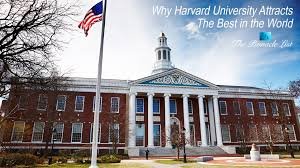
- Historic brick buildings
- Modern research centers
- Expansive libraries
This combination creates an inspiring academic environment.
Student Housing and Community
Students live in residential houses that foster community and belonging. These houses provide:
- Academic advising
- Social activities
- Dining and accommodation
Extracurricular Life
Harvard offers hundreds of student organizations, including:
- Cultural clubs
- Debate societies
- Sports teams
- Performing arts groups
Admission Process: Highly Competitive Path
Gaining admission to Harvard University is extremely competitive, with acceptance rates typically below 5%.
Key Requirements
- Strong academic performance
- Standardized test scores (SAT/ACT, where applicable)
- Extracurricular achievements
- Personal essays
- Letters of recommendation
Holistic Review
Harvard uses a holistic admissions process, meaning it evaluates:
- Academic excellence
- Leadership potential
- Character and personality
- Community involvement
Harvard’s Global Influence
Leadership Development
Harvard has produced numerous global leaders, including:
- U.S. Presidents
- Nobel Laureates
- CEOs of major corporations
Notable Institutions and Alumni
Graduates often go on to lead companies like Microsoft and influence global policy.
International Reach
Harvard attracts students from over 100 countries, making it one of the most diverse academic communities in the world.
Financial Aid and Accessibility
Despite its prestige, Harvard University is committed to affordability.
Need-Based Financial Aid
Harvard offers one of the most generous financial aid programs globally.
- Families earning under a certain threshold may pay little or no tuition
- Aid is based on financial need, not merit alone
Scholarships and Grants
- No-loan policy for many students
- Full coverage of tuition and living expenses for eligible families
This ensures that talented students from all backgrounds can attend.
Harvard Business School: A Global Powerhouse
One of the most influential divisions is Harvard Business School.
Key Features
- Case study learning method
- Strong leadership focus
- Global business network
Graduates often become leaders in finance, consulting, and entrepreneurship.
Libraries and Resources
Harvard’s library system is one of the largest in the world.
Harvard Library System
It includes millions of books, manuscripts, and digital resources, supporting research across disciplines.
Technology and Innovation
Harvard is deeply involved in technological advancement and innovation.
Research Collaborations
The university collaborates with institutions and companies worldwide, including tech leaders in Silicon Valley.
Entrepreneurship
Students and faculty often launch startups and innovations that shape industries.
Challenges and Criticism
Even an institution as prestigious as Harvard University faces challenges.
Academic Pressure
Students often experience high levels of stress due to rigorous academic expectations.
Competition
The competitive environment can be intense, requiring strong resilience.
Accessibility Debate
Despite financial aid, some critics argue elite universities should be more accessible.
Student Experience: Life Beyond Academics
Intellectual Environment
Students are constantly surrounded by ambitious peers and stimulating discussions.
Social Life
Harvard offers a vibrant social scene, including:
- Cultural festivals
- Sports events
- Student gatherings
Personal Growth
Students develop:
- Critical thinking
- Leadership skills
- Global awareness
Harvard and the World: A Lasting Impact
Contributions to Society
Harvard research and alumni have influenced:
- Public policy
- Global economics
- Scientific discovery
Cultural Influence
Harvard is often portrayed in media, reinforcing its image as a symbol of elite education.
Future of Harvard University
The future of Harvard University focuses on innovation and inclusivity.
Expanding Access
Efforts continue to increase diversity and global representation.
Digital Education
Online learning and hybrid programs are expanding.
Research Focus
Harvard continues to address global challenges such as:
- Climate change
- Public health crises
- Artificial intelligence ethics
Conclusion: A Symbol of Excellence
Harvard University is more than a university—it is a global institution that represents the highest standards of education, leadership, and innovation. From its historic roots in Cambridge to its modern global influence, Harvard continues to shape the world.
Its legacy is built not only on academic excellence but also on its ability to inspire generations of thinkers, leaders, and innovators. While the path to Harvard is challenging, the opportunities it offers are extraordinary.
In the end, Harvard stands as a reminder that education is not just about learning—it is about transforming lives and shaping the future of the world.
Leave a Reply